
Live Webinar
Why Busy Places Make You Dizzy
Why grocery stores, crowds, and screens can bring on dizziness, how your balance system handles them, and what usually helps.
Wednesday, November 4 · 7:00 PM ET · Live on Zoom

The problem
Busy places can make you dizzy
Long grocery aisles, crowded malls, scrolling on your phone, or riding as a passenger can leave some people dizzy, unsteady, or unwell. This is common, and it has a physical explanation.

Does this sound like you?
Everyday situations that can bring it on
- Grocery aisles or big-box stores leave you feeling off
- Scrolling on your phone or watching fast-moving video bothers you
- Riding as a passenger is harder than driving
- Patterned floors, busy carpets, or crowds make you feel unsteady
- Malls, airports, or busy events leave you wiped out afterward
- You've started avoiding places you used to go without a second thought
These experiences can have different causes. The webinar explains common reasons, but it can't tell you what's behind yours.
For clinicians
Does this sound like your caseload?
- Patients name grocery stores, screens, or being a passenger as their biggest triggers
- You want a clear, patient-friendly way to explain visual motion sensitivity
- You'd like simple language for why avoidance can keep symptoms going
- You're looking for analogies you can borrow in your own education sessions
- You'd value a one-page handout you can share with patients
- You want to reinforce which signs need urgent referral rather than rehab
This session is pitched at patients and families, so it models patient education rather than covering advanced clinical content. No continuing education credit is offered.
What we'll cover
Your balance system and busy places
I will explain what your body is doing in these situations and why it can lead to dizziness. The session ends with live Q&A.
01
How balance works
How your eyes, inner ear, and body combine information to keep you steady.
02
Why busy places and screens can bring on dizziness
How grocery aisles, crowds, scrolling, and being a passenger affect your balance system.
03
Why some people are more affected
Common reasons this can happen, such as after a concussion or an inner ear problem.
04
Why avoiding everything can backfire
How avoiding triggers can sometimes keep symptoms going.
05
What generally helps, and finding the right clinician
Pacing, breaks, and what kind of clinician to look for.
06
When it might be something more serious
Signs that need urgent medical care, not a wait-and-see approach.
A checklist of common triggers, questions to bring to your next appointment, and the warning signs that need urgent care.

Who it's for
Who should attend
This session is for people who get dizzy in busy places, the family and friends who support them, and clinicians who want a plain-language way to explain it to patients. You do not need any background knowledge.
Why I'm running this
The grocery store comes up in my clinic all the time
Patients often tell me the grocery store is the hardest part of their week, and that no one has explained why such an ordinary place feels so overwhelming. Understanding what's happening is often an important first step. I wanted to make that explanation available to anyone who needs it, not only the people who come through my clinic door.
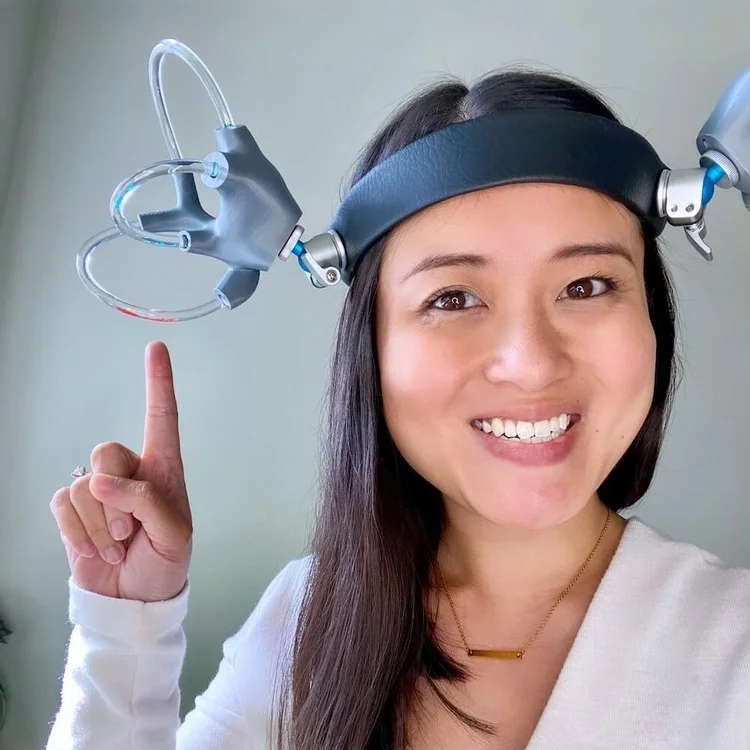
Your host
Sonia Vovan
PT, BHSc, MScPT · PhD Candidate
I'm a physiotherapist and vestibular therapist with over 13 years of experience working with people who have dizziness and concussion. I also teach clinicians through The Dizzy Brain course and research how our senses work together to keep us balanced.
The details
Date, time, and price
This webinar is general education and is not individual medical advice. Questions will be answered in general terms only.
How it works
Three steps to save your spot
Register
Fill in the short registration form with your name and email.
Pay by PayPal
You'll get an email with a payment link. A credit or debit card works, even without a PayPal account.
Get your Zoom link
On November 2, I'll email you a Zoom link to register. Zoom then sends your personal join link for November 4.
Questions
Frequently asked questions
Do I need a diagnosis to attend?
No. The webinar is open to anyone who feels dizzy or unwell in busy places, whether or not you've been assessed.
Will you answer questions about my own situation?
I'll answer questions in general terms only. I can't assess or advise on individual cases during a webinar, so for questions about your own symptoms, please speak with a clinician who can assess you.
Moving images bother me. Will the webinar be hard to watch?
It's mostly slides and talking. I'll show one short moving image and give a clear warning beforehand, so you can look away or close your eyes.
What do I need to join?
A computer, tablet, or phone with an internet connection. You'll get the Zoom link by email on November 2, and you can send questions through the Q&A box during the session.
Can a family member watch with me?
Yes. One registration covers everyone watching on your screen. If they'd like to join from their own device, they can register separately.
Is this a substitute for seeing a clinician?
No. The webinar is general education. If dizziness is affecting your daily life, a clinician trained in vestibular rehabilitation can assess what's going on and recommend next steps.
Join me on November 4
One hour live on Zoom, with time for your questions.
Register now →7:00 PM ET · $19 CAD + HST